

Birthstones
What is your birthstone?
Birthstones are precious or fine gemstones associated with each month of the year, each carrying its own meanings and symbols. For centuries, they have been worn as personal talismans or tokens of good fortune. Discover below the birthstone for your birth month, its significance, and how to wear or gift it.
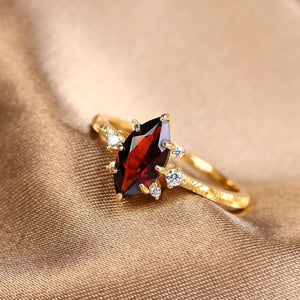
January
Garnet & Tsavorite
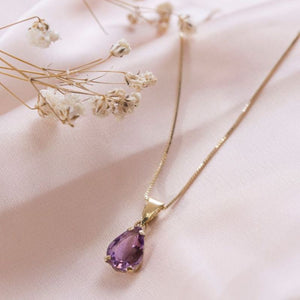
February
Amethyst
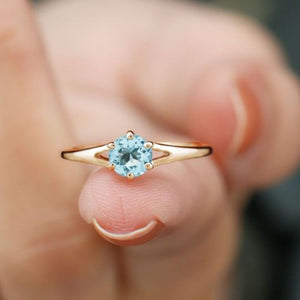
March
Aquamarine
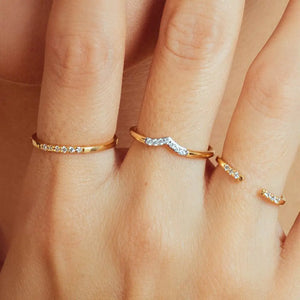
April
Diamond
May
Emerald
June
Moonstone & Pearl
July
Ruby
August
Peridot
September
Sapphire
October
Tourmaline
November
Citrine
December
Tanzanite & Blue Topaz
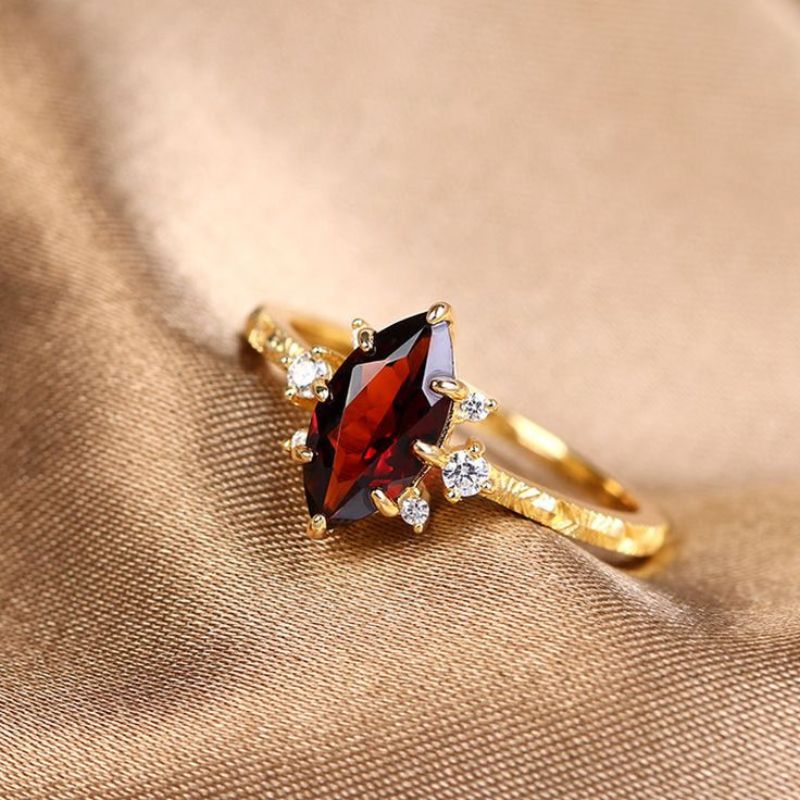
January
Garnet & Tsavorite
January is the month of two exceptional gemstones. The garnet, used since Antiquity, symbolises energy, fidelity and truth. Often confused with the ruby due to its deep red colour, its name derives from the Latin malum granatum, the pomegranate whose seeds evoke the brilliance of the stone. The tsavorite, a green garnet discovered in Kenya in the 1960s, offers shades ranging from pale green to intense green, with no brown or yellowish undertones. A gemstone of courage and renewal, it symbolises hope and new beginnings.
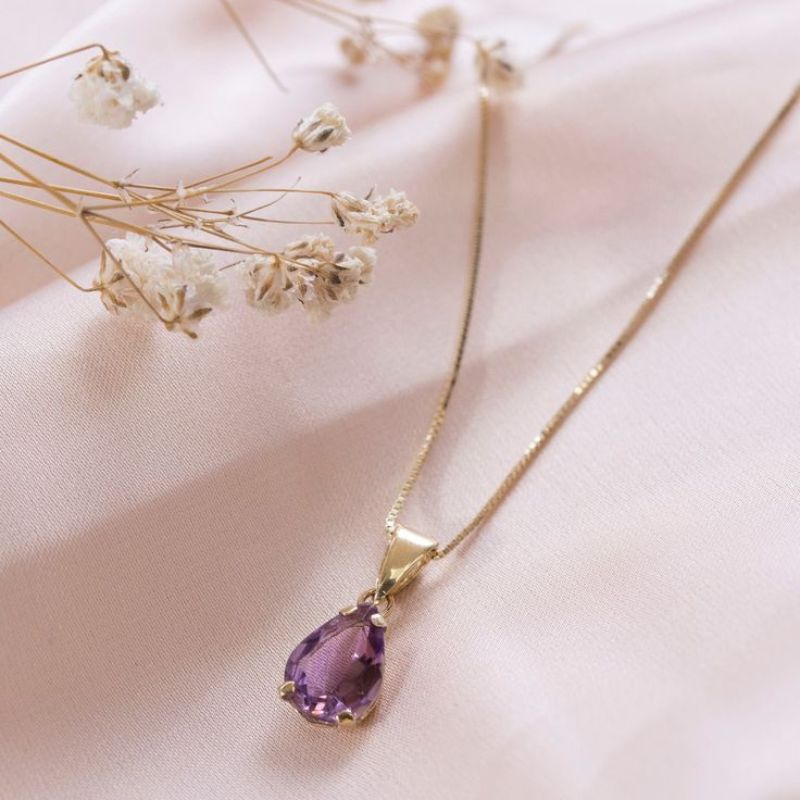
February
Amethyst
Its Greek etymology says it all: a-methystos means "not drunk". The amethyst was reputed to protect its wearer from excess and clouded thinking. A gemstone of balance and clarity, it encourages concentration, creativity and serenity. Associated with the crown chakra, it brings a precious lucidity to those who wear it every day. Its shades, from pale lilac to deep violet, make it one of the most singular gemstones in fine jewellery.
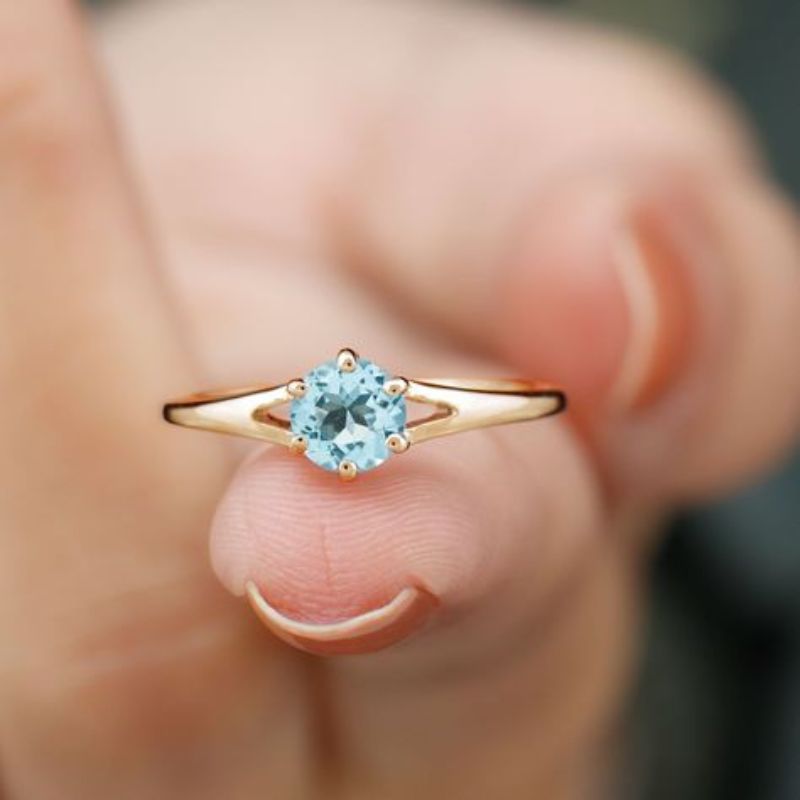
March
Aquamarine
Few gemstones carry their name so aptly. The aquamarine, with its watery blue-green hue, was the gemstone of sailors: it was believed to ensure safe passage at sea and to protect those who set sail. A symbol of fidelity and gentleness, it encourages expressiveness and clarity in communication. Associated with enduring love, it accompanies couples and long-standing friends alike. An ideal gemstone for an engagement ring or a piece of jewellery worn every day.
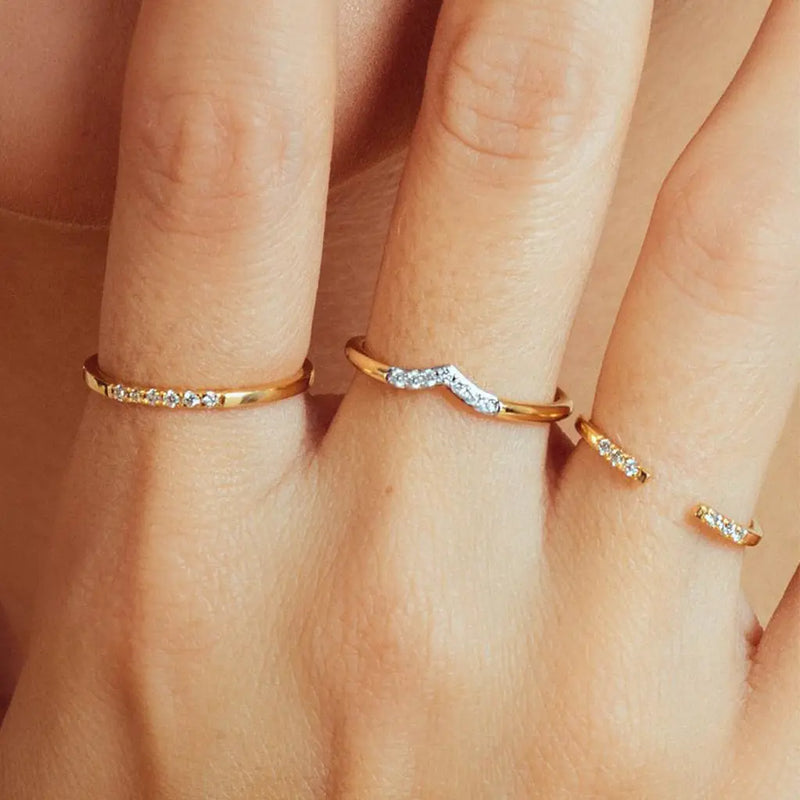
April
Diamond
The diamond is the hardest mineral in existence: a resilience that has made it, since Antiquity, the symbol of enduring strength and commitment. The birthstone for April, it elevates life's most meaningful moments, from engagements to anniversaries. Associated with the seventh chakra, it is also a gemstone of inner clarity, helping one to see things with precision and without illusion. Its absolute transparency has no equal in fine jewellery.
May
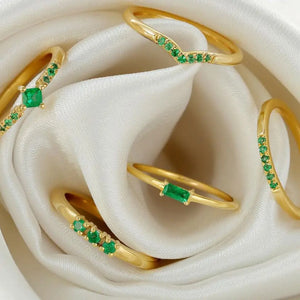
Emerald
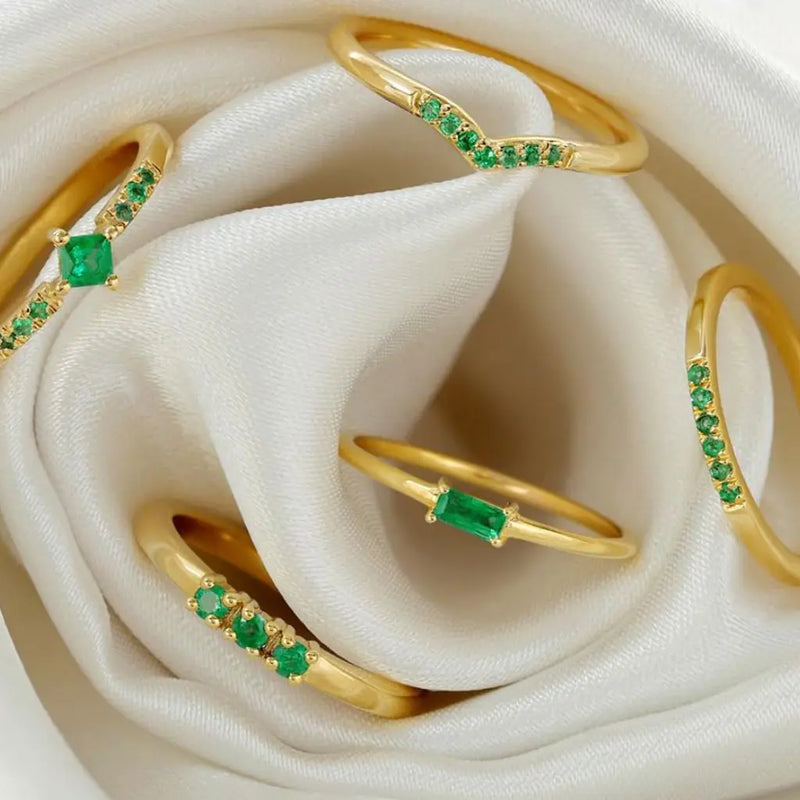
Pliny the Elder wrote that gazing upon an emerald brought the same joy as looking at nature itself. Cleopatra's favourite gemstone, it was worn to reveal the inner beauty of those who chose it. The birthstone of May, a symbol of perpetual spring, it encourages kindness, honesty and harmony in relationships. It also brings a grounded sense of calm, far from the noise of everyday life, making the green of the emerald at once soothing and invigorating.
June
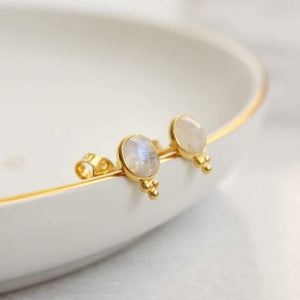
Moonstone & Pearl
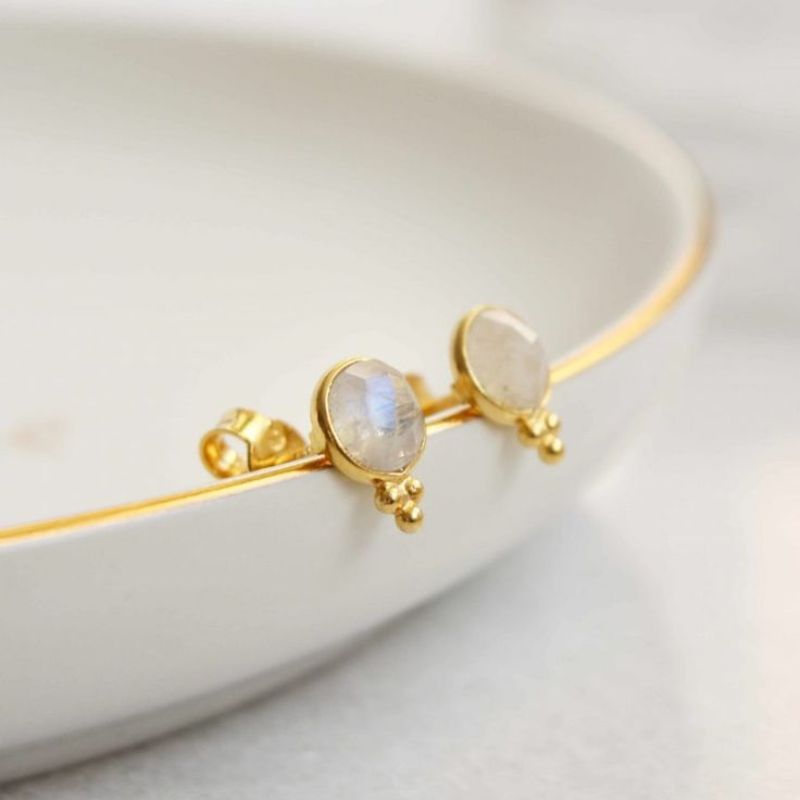
June is one of the rare months honoured with two birthstones. The moonstone, associated by the Romans with Diana, goddess of the moon and protector of animals, is linked to femininity, intuition and divination. Its adularescence, that pearlescent shimmer which seems to float just beneath the surface, gives it an almost living quality. The pearl, known in antiquity as the "tears of Aphrodite", symbolises wisdom and selflessness. In ancient Rome, families would gift their daughters two pearls each year so that they might have a complete necklace by the time they came of age.
July
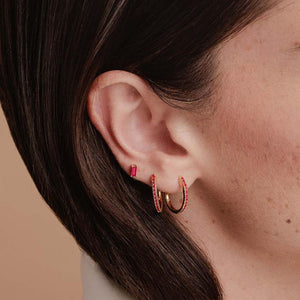
Ruby
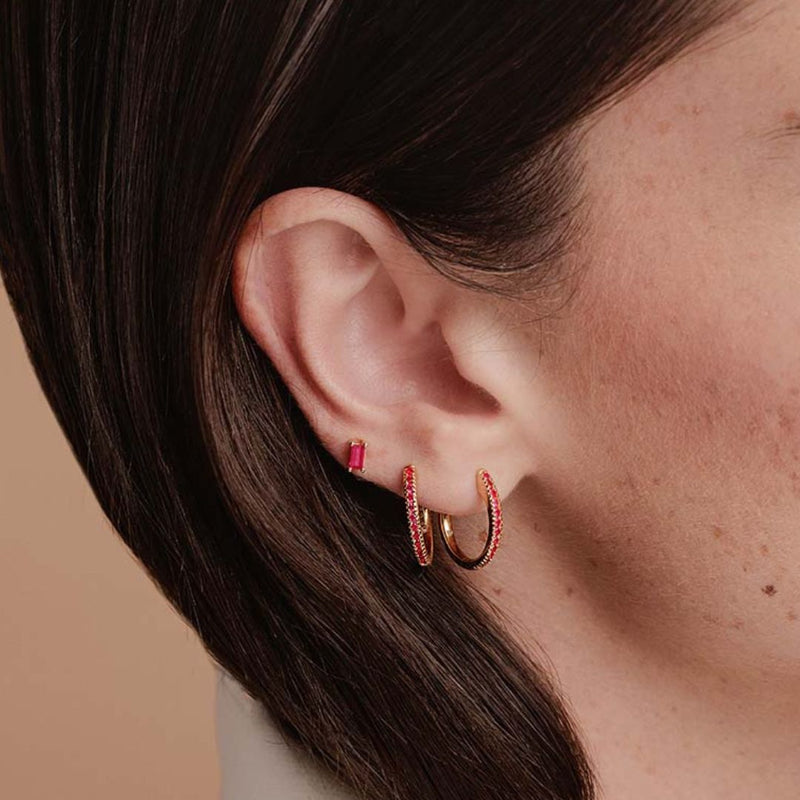
Its fiery colour leaves no room for doubt: the ruby is the gemstone of passion and strong personalities. The birthstone of July, it symbolises loyalty, courage and a love that refuses to be extinguished. Associated with both the root chakra and the heart chakra, it is at once grounding and energising. It is also one of the most meaningful gifts one can give for an engagement ring or a wedding anniversary, carrying a depth of significance that a diamond alone cannot convey.
August
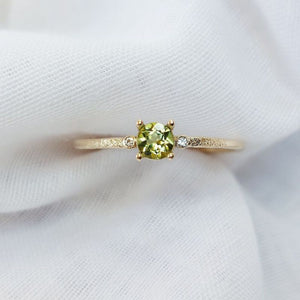
Peridot
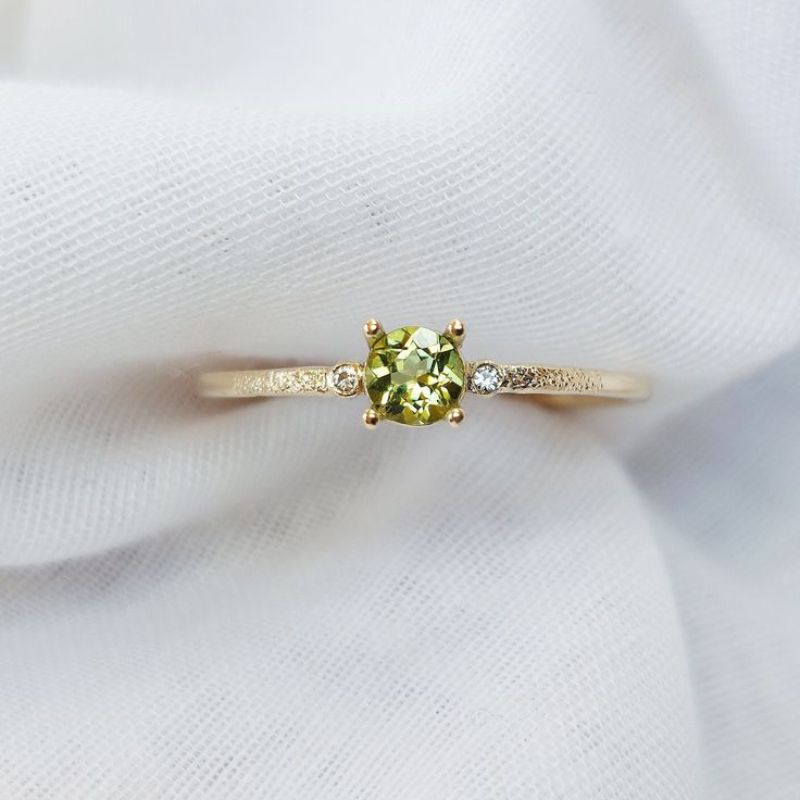
The birthstone of August, peridot is one of the rare gemstones that exists in only a single colour: a luminous olive green, at times almost yellow, which catches the light with a distinctive lightness. The ancients believed that Cupid's arrows were carved from peridot, making it a gemstone long associated with new feelings and sincere declarations. Beyond the myth, it brings self-confidence, serenity and a gentle energy that helps to release guilt and let go of the past.
September
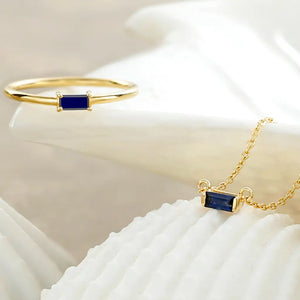
Sapphire
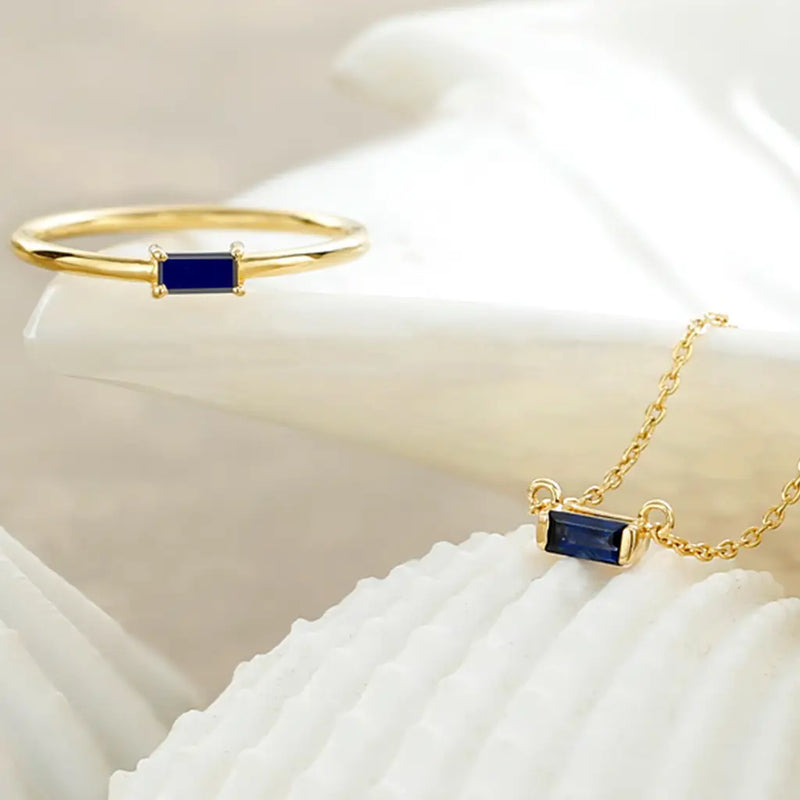
The birthstone for September, sapphire is one of the most iconic gemstones in the history of royal and diplomatic jewellery. A symbol of truth and loyalty, it speaks to both women and men. It supports concentration, meditation and a form of practical wisdom that helps one make clear, considered decisions. Its blue, ranging from pale sky to deep midnight depending on its origin, also makes it a remarkably versatile stone from a styling perspective.
October
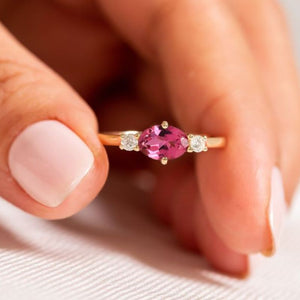
Tourmaline
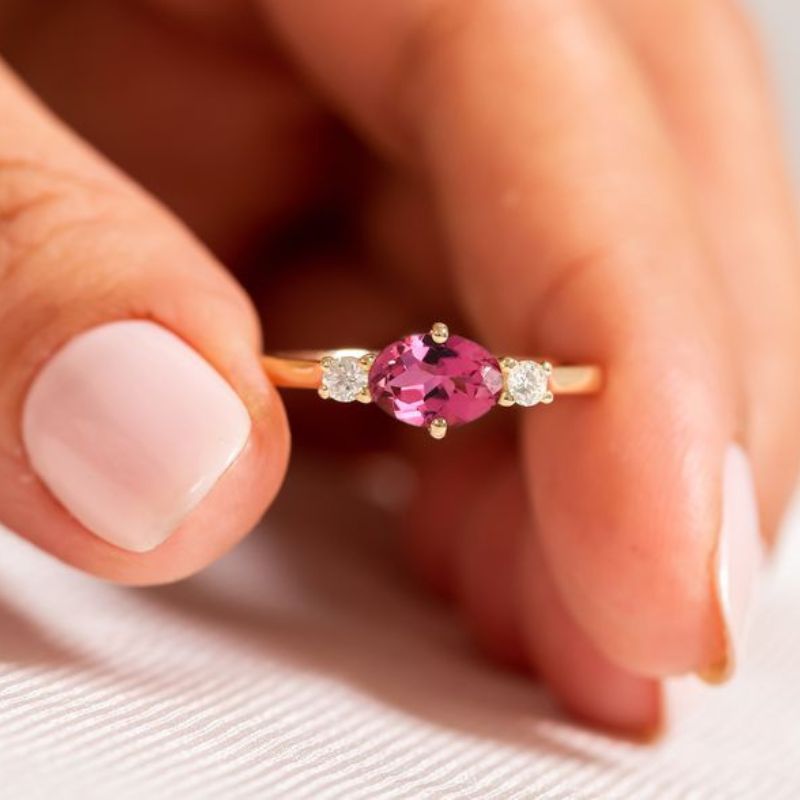
Pink tourmaline, the birthstone for October, is a stone of the heart in the truest sense: it is associated with emotional healing, creativity and protection. Its pink, from the palest petal to deep raspberry, makes it instantly recognisable. It helps to mend long-held emotional wounds, dissolve repetitive patterns and restore a lasting inner balance. It is also one of the most-worn gemstones among those seeking a piece of jewellery that is as meaningful as it is beautiful.
November
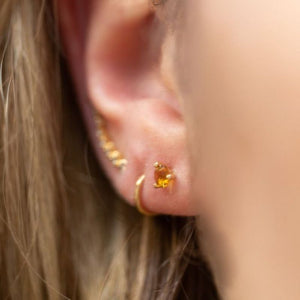
Citrine
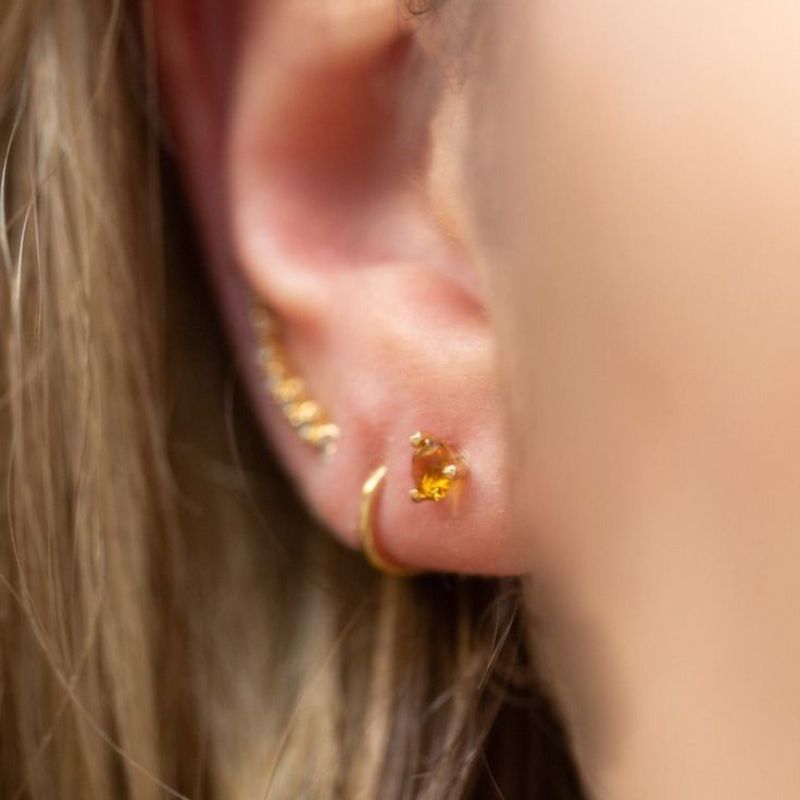
Citrine, the birthstone for November, ranges from pale yellow to warm amber brown depending on its origin and heat treatment. Its radiant, sun-drenched glow has made it, since antiquity, a stone associated with success, optimism and abundance. It helps one stay the course through periods of doubt, sharpens focus and disperses negative energy. For those born in November, it is a stone that often mirrors their sunny temperament and their gift for turning obstacles into stepping stones.
December
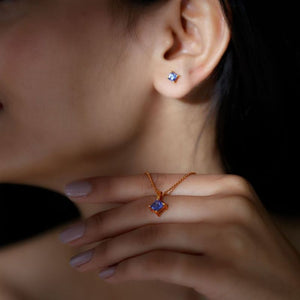
Tanzanite & Blue Topaz
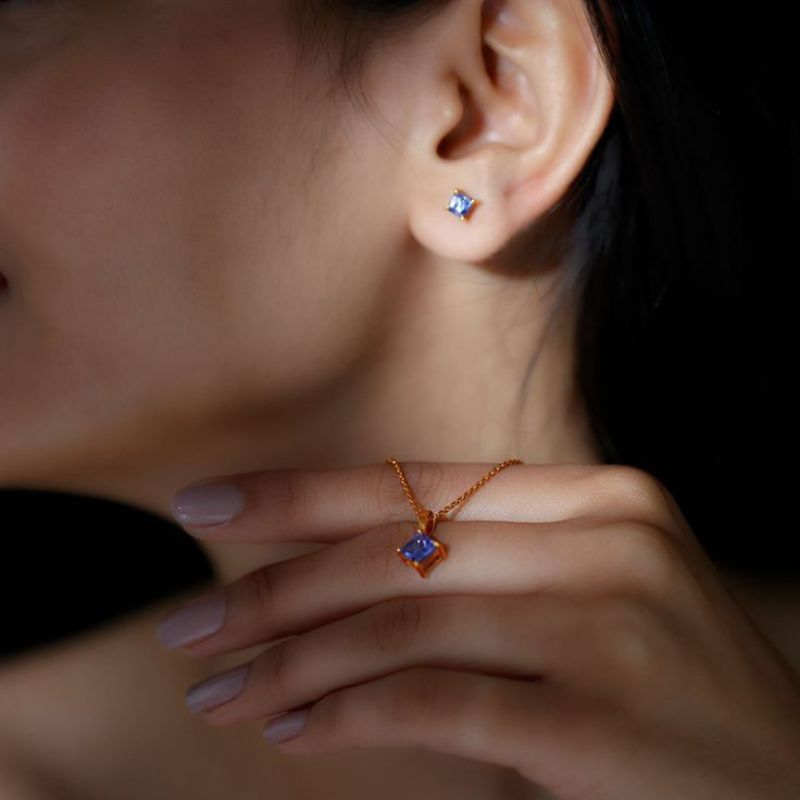
December is the month of two blue gemstones, each with its own distinct character. Tanzanite, discovered in 1967 at the foot of Kilimanjaro, is among the rarest stones in the world: its blue-violet hues shift with the light, a phenomenon known as pleochroism. A stone of fortune and imagination, it encourages one to aim higher. Blue topaz, spanning shades from crystalline blue to deeper tones, sky blue, Swiss blue and London blue, was prized by the ancient Egyptians and Greeks for its protective qualities. In the Middle Ages, it was said to hold the power to sharpen one's sight.
Frequently asked questions
What is my birthstone?
Each month of the year is associated with one or more gemstones or precious stones:
- January: Garnet & Tsavorite
- February: Amethyst
- March: Aquamarine
- April: Diamond
- May: Emerald
- June: Moonstone & Pearl
- July: Ruby
- August: Peridot
- September: Sapphire
- October: Tourmaline
- November: Citrine
- December: Tanzanite & Blue Topaz
Find your month above to discover your birthstone and its full story.
Where does the birthstone tradition come from?
The tradition dates back to the breastplate of Aaron described in the Book of Exodus, which featured twelve stones representing the twelve tribes of Israel. These stones were gradually associated with the months of the year, and then with individuals born in those months. The standardised list we use today was established in 1912 by the American National Association of Jewelers, with a few additions throughout the 20th century. Variations exist across cultures and traditions, particularly in India and the English-speaking world.
Why do some months have more than one birthstone?
There are several reasons why a single month may be associated with two stones:
- Ancient cultural variations, where different civilisations had their own correspondences
- Modern additions to offer more accessible alternatives in terms of price
- Recent mineralogical discoveries, such as tanzanite in 1967 or tsavorite in 1974
In these cases, you are free to choose the stone that suits you best, whether by colour, symbolism, or budget.
Can you wear a birthstone that isn't your own?
Absolutely. Many mothers wear their children's birthstones as a symbol of love. Others choose a stone for its symbolism, its colour, or simply because they find it beautiful. There are no strict rules here: a birthstone does not need to be yours to carry meaning. What matters is that the piece you wear feels true to you.
Which piece of jewellery should you wear your birthstone on?
Birthstones work beautifully across all types of jewellery, each offering its own way of showcasing the stone:
- Ring: the statement piece, the first thing people notice
- Necklace or pendant: worn close to the heart, for a more intimate feel
- Earrings: a subtle touch that frames the face
- Bracelet: a quiet, everyday presence on the wrist
At Mayuri Paris, most of our designs are available with a range of gemstones, making it easy to find your birthstone in the style that suits you best.
Is a birthstone a good gift?
It is one of the most personal gifts you can give. A birthstone carries a meaning that goes beyond aesthetics: it is a way of showing that you thought specifically about that person, their birth month, their story. It works for countless occasions, whether a birthday, a christening, Mother's Day, Christmas, or a milestone moment such as a graduation or promotion. And unlike so many gifts, a piece of jewellery set with a birthstone is something to keep for a lifetime.
What is the difference between a birthstone and a zodiac stone?
The two systems follow different logic:
- Birthstone: linked to your calendar month of birth (January, February, and so on)
- Zodiac stone: linked to your star sign (Aries, Taurus, Gemini, and so on)
Because zodiac signs span two calendar months, the two systems do not always align. The birthstone is the more widely used reference in modern jewellery, particularly within the Anglo-Saxon and American tradition. Zodiac stones are more common in Indian and esoteric traditions.
Are the properties of birthstones scientifically proven?
The properties attributed to gemstones belong to the realm of symbolism and cultural tradition, not science. At Mayuri Paris, we celebrate the beauty, history and meaning of each stone without making any therapeutic claims. What is certain is this: wearing a stone that holds personal significance, whether through your birth month, a family connection, or simply a natural affinity, brings genuine pleasure and a tangible link to a tradition spanning several centuries.